
How Iran’s Nuclear Program Became a Question of Power

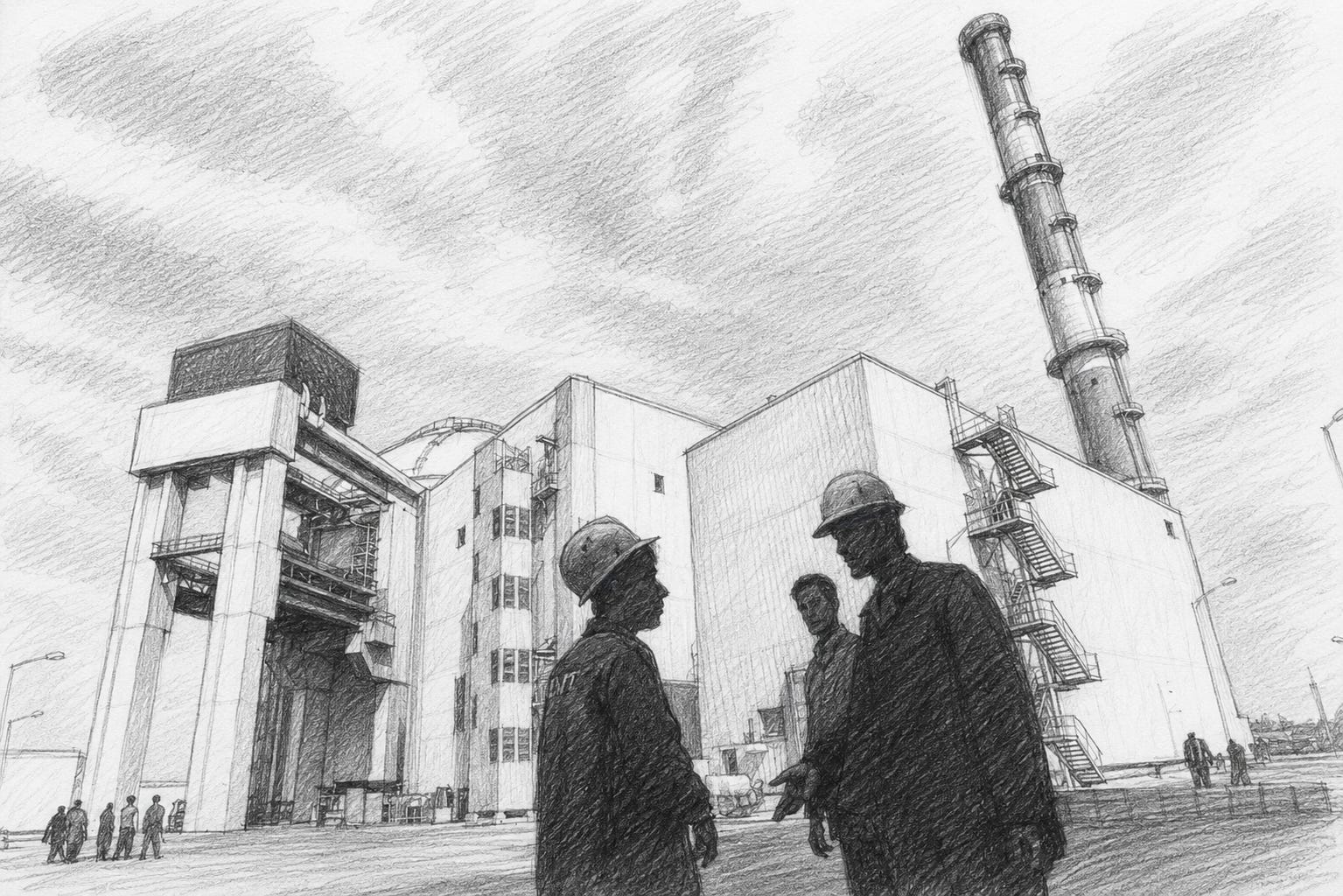
In the mid-1970s, the United States accepted Iran’s use of nuclear energy. It was ready to sell several nuclear power plants to Iran. It also offered enriched fuel for those plants. Washington even accepted Iranian investment in a uranium enrichment plant inside the United States.
The clear disagreement began when Iran sought its own reprocessing capacity. Tehran wanted greater control over the nuclear fuel cycle. Iran could buy the technology. But it wasn’t supposed to control the whole process.
That’s why, when Iran and West Germany reached an agreement to expand the nuclear program, the United States strongly opposed uranium enrichment inside Iran. In 1975, Washington told West Germany very clearly that it wouldn’t accept such an agreement.
A few years later, the Shah’s government became weaker. Western policy also changed. Unconditional support for the monarchy gave way to managing a transfer of power.
We now know more about the final months of 1978 and early 1979. Secret contact with Khomeini was proposed. The US embassy criticised delays in sending someone to negotiate with him. Washington also tried to preserve the army and the main state structure.
Iran was going through the last classical revolution of the twentieth century. Western powers accepted the rise of the Political Islam. They also accepted negotiations and a possible transfer of power to it.
Anti-communism shaped those calculations. An Islamic regime seemed more acceptable than the complete collapse of the state. It also seemed safer than workers’ councils and a stronger left.
Later events showed another result. The rise of political Islam strengthened terrorism and endless wars across West Asia. It also pushed Palestine into a direction that mainly benefited Israel.
After taking power, the Islamic regime didn’t continue the Shah’s nuclear program. Projects stopped. Construction at the Bushehr plant was abandoned. Many experts lost their positions or left the country.
Khomeini even suggested using Bushehr’s unfinished buildings as grain warehouses. During the first years, the regime itself abandoned the program. Washington had earlier tried to keep that program dependent on foreign technology.
The historical period matters here. Iran was experiencing a revolution based on economic, social, and political justice. The Islamic counter-revolution crushed the forces that had carried many of those demands and developments.
Workers’ councils faced repression. So did left-wing and communist organizations. The women’s movement, secular forces, and political opponents also came under attack.
This repression came first from the logic of political Islam. The new rulers needed to secure their monopoly over power. But released documents also show Western security agencies helping the new regime. They provided support against left-wing and communist parties.
Later hostility between the Islamic counter-revolution and the West didn’t prevent occasional cooperation. Their interests sometimes came together in the destruction of the left. This cooperation against progressive movements in Iran still continues between the Islamic fascism and the West.
We should look at the broader historical result again. After the 1979 revolution, Iran left the full political and security system of the West. But it didn’t enter the Soviet camp either.
Independence was one of the main demands of the 1979 revolution. Iran slowly took an unusual position in the world. It gained some freedom in foreign policy. Yet no major power guaranteed its security. Even European countries hadn’t experienced exactly this situation.
The roots of this position also existed during the Shah’s final years. Despite common propaganda, the Shah wasn’t simply following every US order. Iran remained an important Western ally. But its room for action was growing.
Higher oil income played a role. So did political and economic ties with the Soviet Union. Iran bought technology from Europe. It followed a more independent line inside OPEC. It also tried to gain greater control over strategic industries.
Official US assessments noticed this change. They spoke about the Shah’s growing political independence. They also described his relations with the Soviet Union as a form of protection.
In the 1980s, the war with Iraq later changed the Islamic regime’s calculations. Iraq used chemical weapons. Iranian nuclear sites, including Bushehr, came under attack. Iran also faced international isolation.
Then the Soviet Union collapsed. A new global order appeared. From the mid-1980s, Iran slowly restarted its nuclear activities.
By the early 1990s, the program had become strategic again. Russia, China, and other channels helped rebuild it.
Dear friends, if you want to help develop and expand this work, please become a member on Patreon. I generally publish short comments here. For longer reports and articles, visit my blog. firenexttime.net